
Welcome:
Login
|
Sign Up
|
About CircleID
Follow:
|
|

 Growing demand for international bandwidth is accelerating investment in submarine cables and satellite networks, while increasing ownership concentration among major technology companies raises questions about competition, infrastructure resilience and national sovereignty.
 SpaceX argues that Starlink makes rural broadband subsidies obsolete, but questions about speed, universal availability, voice service and affordability complicate its case for eliminating high-cost Universal Service Fund support.
Remote work remains far above pre-pandemic levels, but rural participation trails urban areas as job mix and inadequate broadband limit opportunities for working from home.
Starshield gives SpaceX a separate military satellite network, raising a broader question about whether Starlink could dedicate satellites to cellular and business backhaul without reducing broadband capacity for residential customers.
Rapid satellite growth is raising collision risks as orbital debris accumulates, avoidance maneuvers multiply, and solar storms could disable spacecraft, exposing the absence of effective international governance for increasingly crowded orbits.
 China's Qianfan satellite constellation could bring high-speed internet to Cuba, where Starlink remains banned, deepening Beijing's digital influence while giving Havana a connectivity upgrade designed to preserve the government's control over online access.
Congress has challenged the FCC's authority to regulate satellite safety, exposing a federal oversight gap as orbital traffic surges and raising an urgent question: which agency should be responsible for preventing collisions and debris disasters?
 Poland's exclusion from Starlink's new European roaming region has triggered a dispute with Warsaw, exposing how private infrastructure providers can shape cross-border connectivity and raising questions about digital sovereignty, accountability, and internet governance in Europe.
Direct-to-device satellite cellular promises to extend coverage beyond terrestrial networks, but physics, capacity constraints, and indoor limitations suggest it will complement existing mobile service rather than emerge as a true competitor.
SpaceX wants to expand Starlink to 100,000 satellites and eventually carry most of the world's internet traffic. Ambition is not the problem. Market competition, geopolitics and the resilience of fiber networks make that goal implausible.
 Orbiting data centers promise cleaner power, cheaper cooling and relief from terrestrial opposition, but formidable engineering, regulatory and orbital governance challenges may keep ambitious space-based computing grounded for years unless launch economics improve dramatically first.
SpaceX's towering valuation rests less on Starlink's current connectivity economics than on ambitious platform expectations, raising doubts that satellite broadband and mobile services alone can justify trillion-dollar valuations indefinitely despite intensifying competition for investors.
 As power grids depend on microsecond precision, states must treat time synchronization as sovereign infrastructure, hardening satellite, fiber and orbital defenses against hybrid attacks that could trigger catastrophic blackouts through resilient sovereign time defense frameworks.
Three decades after Iridium's costly collapse, falling launch costs and improved signal processing are reviving satellite-to-phone ambitions, as Starlink, Amazon and AST SpaceMobile race to build direct-to-device networks that could reshape mobile coverage and competition.
Starlink's rapid integrated model contrasts with China's coordinated, multi-constellation strategy, where specialised networks share roles. Though slower to deploy, this system could narrow the gap and reshape global satellite internet competition by 2030 significantly ahead.
 SpaceX Agrees to Acquire Nationwide 800 MHz Spectrum for Starlink Mobile
 AT&T Chief Challenges Economics of SpaceX’s Mobile-Network Strategy
 SpaceX Deploys First 26 Starlink V3 Satellites on Starship
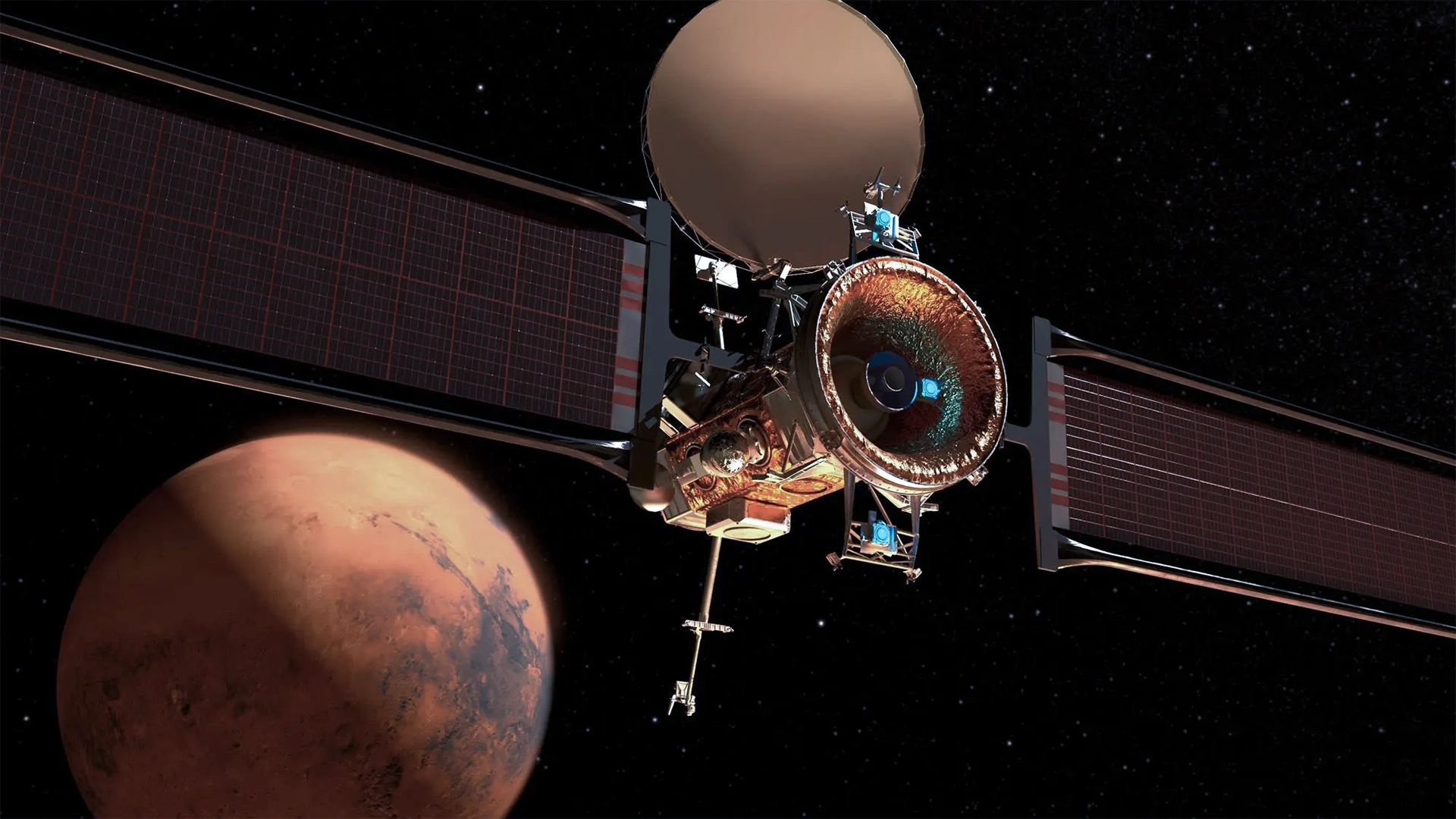 NASA Awards Blue Origin Up to $700 Million for Mars Communications Network
 4iG and SpaceX Plan Starlink Mobile Rollout Across Hungary and Western Balkans
 Amazon Targets Satellite-to-Phone Market With 5,105-Satellite Leo Expansion
 Iranians Outsmart Internet Blackout to Broadcast Airstrikes
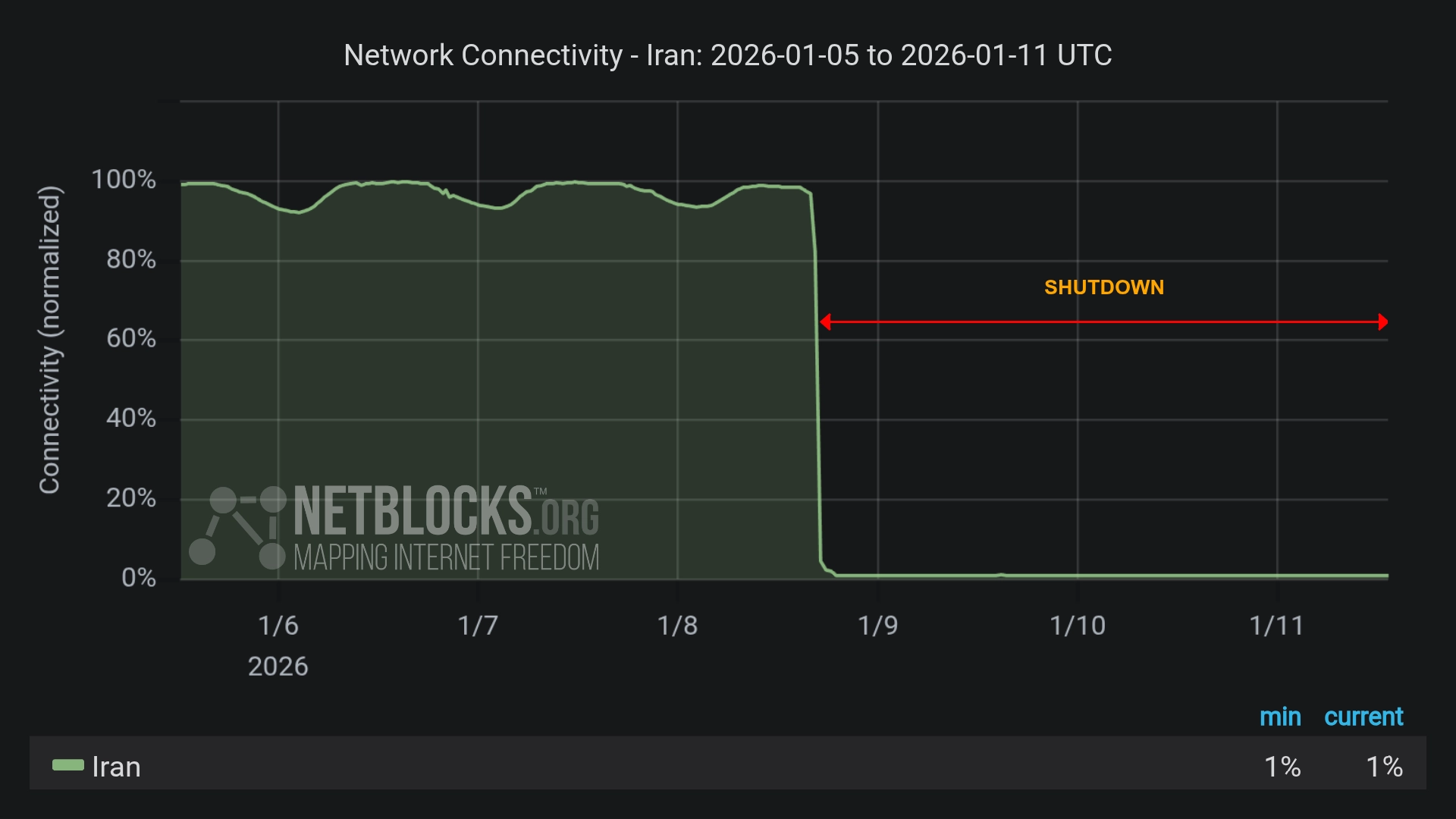 Iran Cuts Off Internet Nationwide as Regime Disrupts Even Starlink Amid Expanding Protests
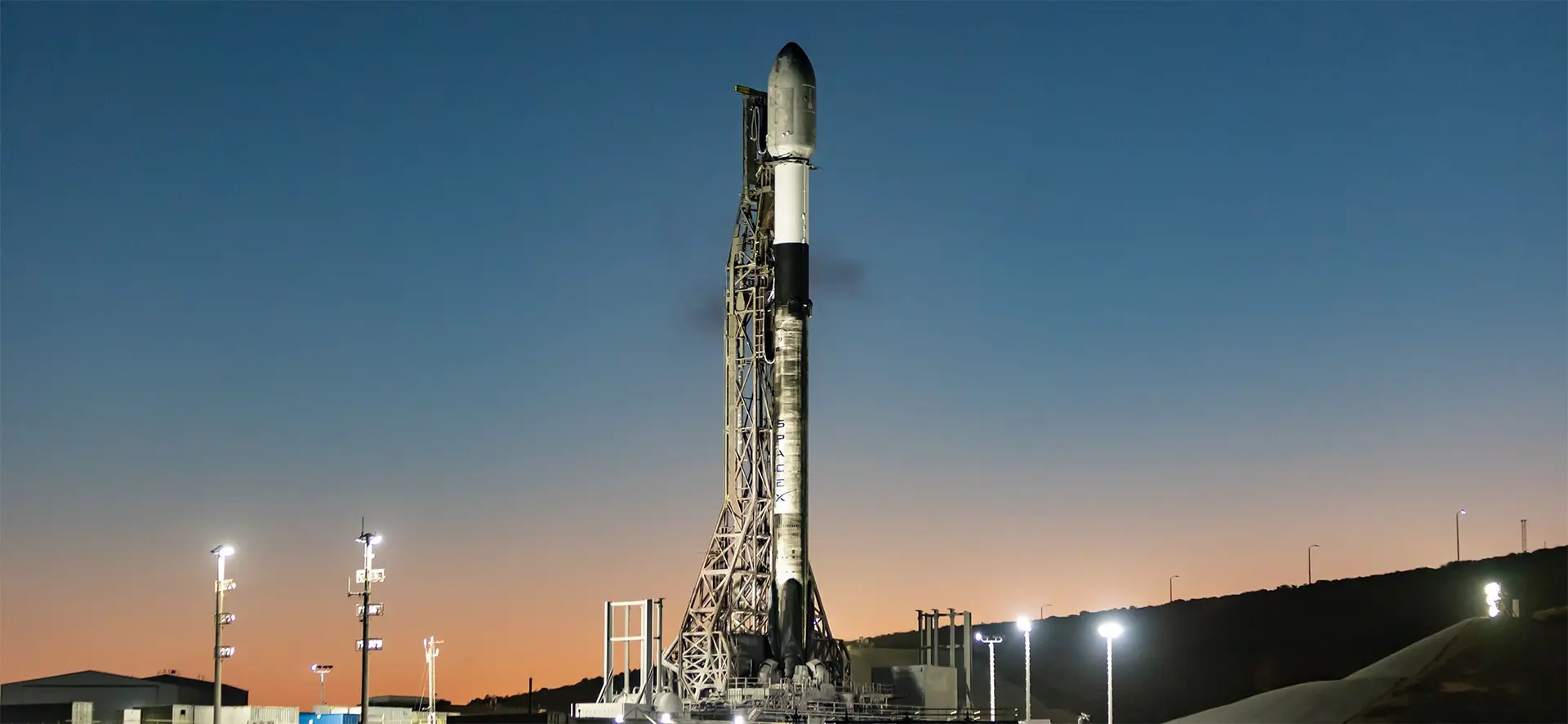 Starlink Passes 10,000 Satellites, Expanding Global Internet Reach
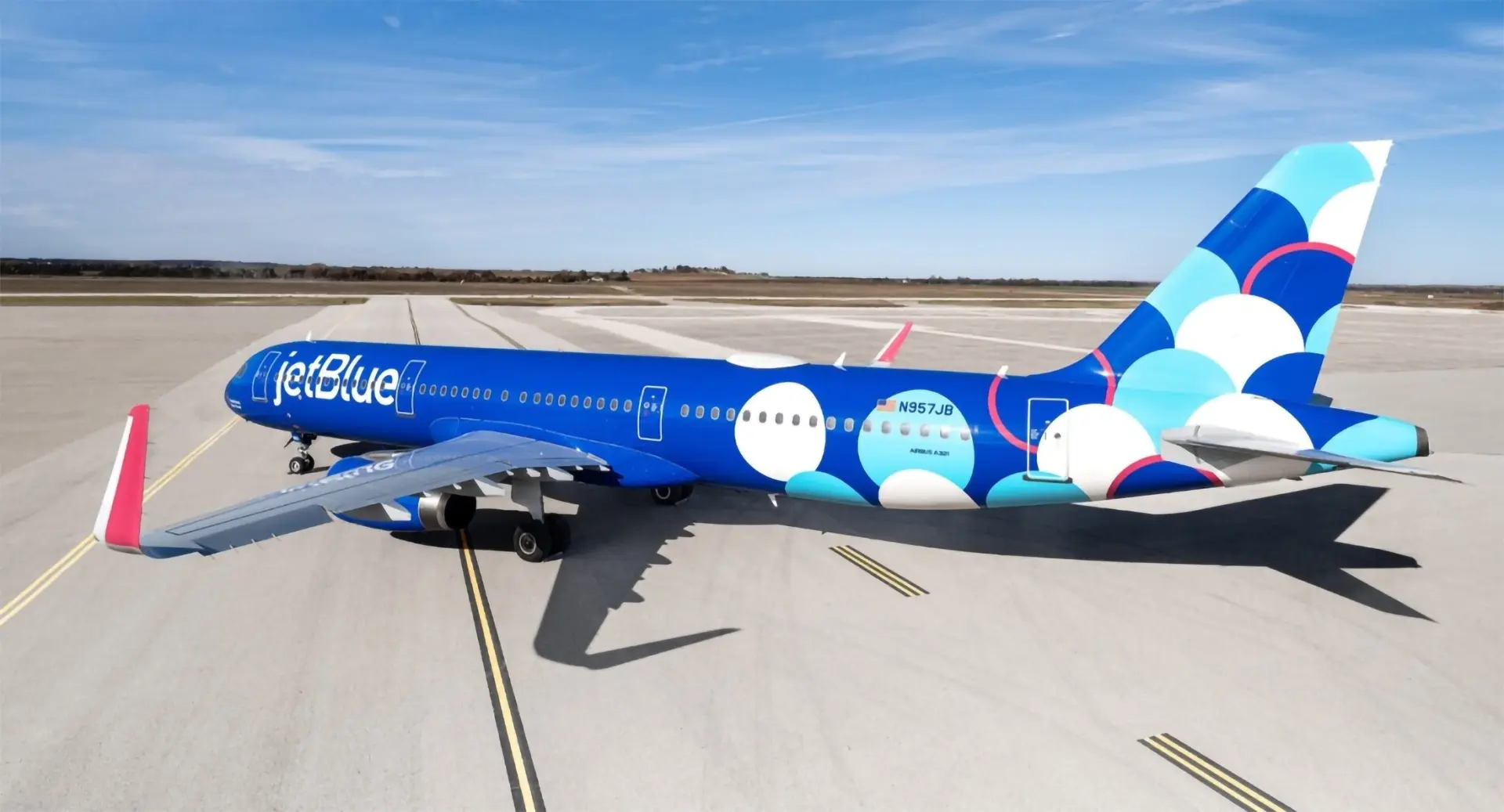 JetBlue Selects Amazon’s Project Kuiper for In-Flight Satellite Connectivity
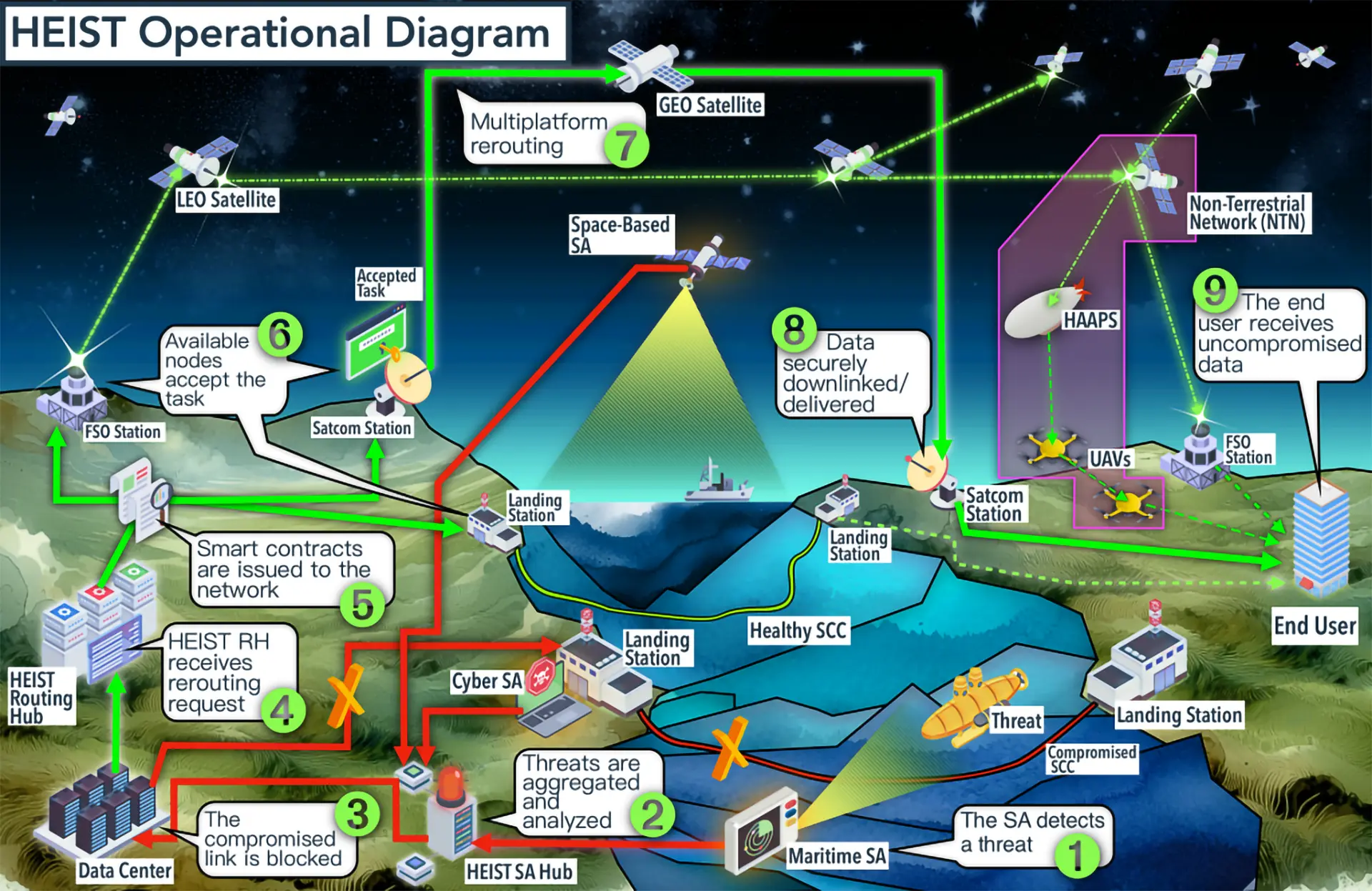 NATO’s Orbital Lifeline: A Backup Plan for the Internet
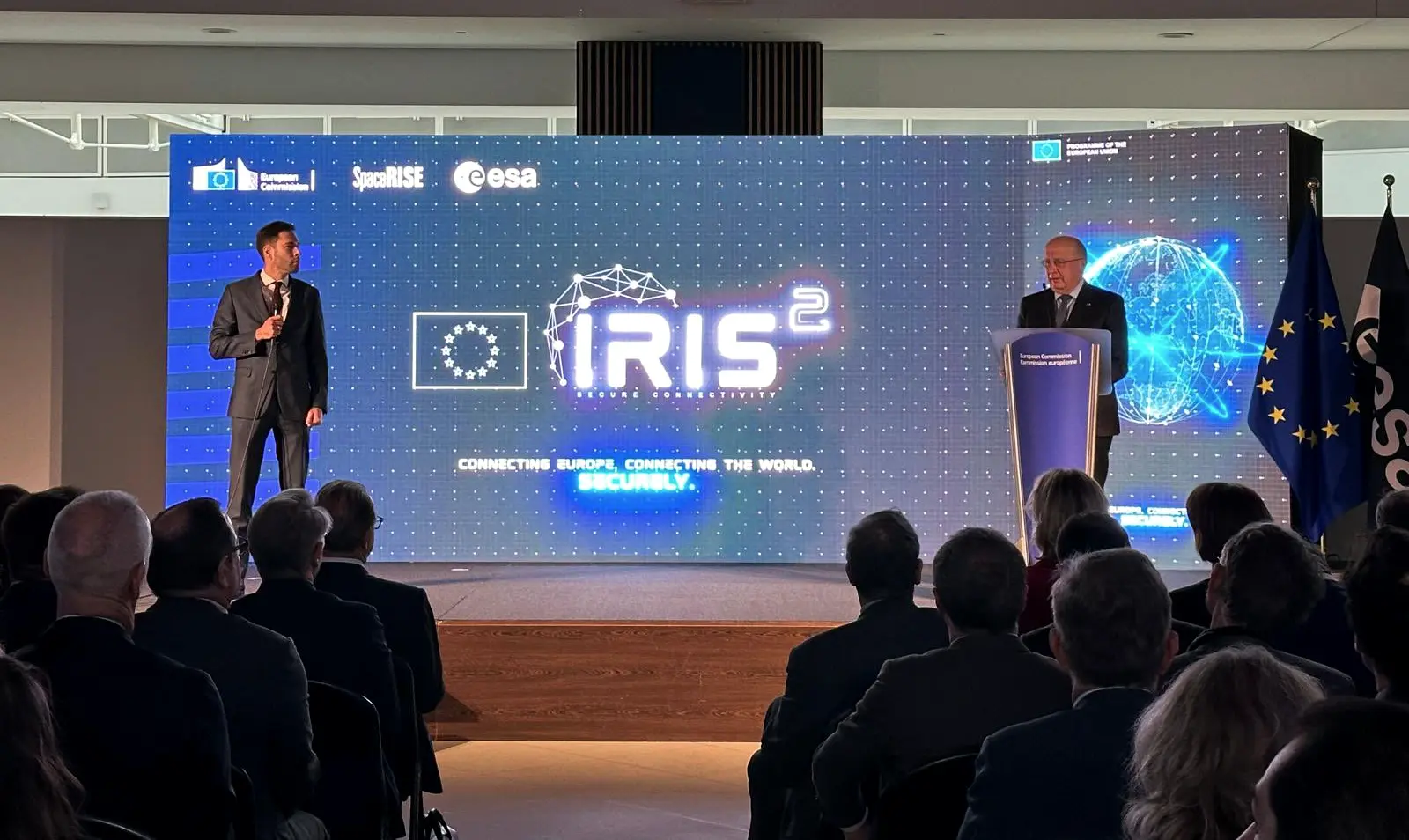 Europe Seeks Space Independence with €10.6bn Iris² Satellite Network
 FCC Approves Starlink for Direct-to-Cell Service in Hurricane-Stricken North Carolina
 Starlink Surpasses 4 Million Subscribers, Cementing Dominance in Satellite Internet
A World-Renowned Source for Internet Developments. Serving Since 2002.