
Welcome:
Login
|
Sign Up
|
About CircleID
Follow:
|
|

 ICANN's 2026 new gTLD round attracted no Bangla-script applications, despite supporting 27 scripts. Application data reveals limited South Asian participation and a sharp decline in internationalized domain applications compared with 2012.
 Ghana reports approximately 99% DNSSEC validation capability among measured users, yet its .gh domain remains unsigned, exposing a gap between resolver readiness and domain security that calls for coordinated deployment and operational planning.
 Cloud Innovation's reappearance in AFRINIC's Mauritian membership register raises questions about governance, judicial oversight and institutional independence. The author calls for transparent records, scrutiny of conflicts of interest and an orderly end to receivership.
 Verisign plans to discontinue third-level .name registrations and email forwarding in February 2027, prompting objections from longtime users concerned about losing established addresses, disrupting online accounts and potential security risks.
 Pakistan's .pk domain has gained DNSSEC protection, but an October 11 scan found just one fully validating domain among 158,561 examined. Another 1,230 signed domains lack the parent-zone records needed to establish trust.
ICANN's Reveal Day list holds 263 contention sets. With private deals banned this round, any set that reaches an ICANN auction will end in a public price. The 2012 auctions show why the number of bidders is a weak guide to that price.
A Seychelles company controlled by Lu Heng accounts for 10 of Africa's 16 new gTLD applications, linking ICANN's domain expansion to commercial interests and an ongoing dispute over AFRINIC's governance and IPv4 resources.
 ICANN's 2026 new gTLD objection process presents applicants and rights holders with four distinct mechanisms for challenging proposed strings, each carrying different legal standards, evidentiary requirements and consequences for delegation.
ICANN's 2026 new gTLD round attracted 1,615 applications, with competition concentrated on contested extensions. Strong registration growth contrasts with weak renewal rates, raising questions about long-term demand and commercial viability.
 ICANN's 2026 new gTLD applications reveal a shift toward AI agents, developer infrastructure and digital trust, with .agent replacing .app as the most contested string amid growing competition and persistent geographic disparities.
 ICANN's 2026 new gTLD round attracted 333 dotBrand applications, representing 20.6% of submissions. Participation across major industries reflects growing interest in controlling branded namespaces and strengthening enterprise digital identity.
Repeated DNSSEC failures show the limits of snapshot diagnostics. A longitudinal record of signed delegations could reveal persistent misconfigurations, rollover problems and correlated failures, helping operators identify recurring patterns and their likely sources.
 ICANN's gTLD expansion program is structured to collect fees regardless of outcomes, leaving brand, portfolio and single-string applicants bearing financial risk while accountability mechanisms offer little meaningful remedy when the process fails.
Daily CZDS zone data can help brand owners and investigators detect suspicious domain registrations earlier, trace related infrastructure, monitor expired names, and shift enforcement from reactive disputes toward faster, evidence-based intervention.
 Telegram says it has applied for .gram, potentially giving a billion users DNS addresses while putting its governance, abuse controls, legal exposure and infrastructure under scrutiny as ICANN prepares to reveal applications.
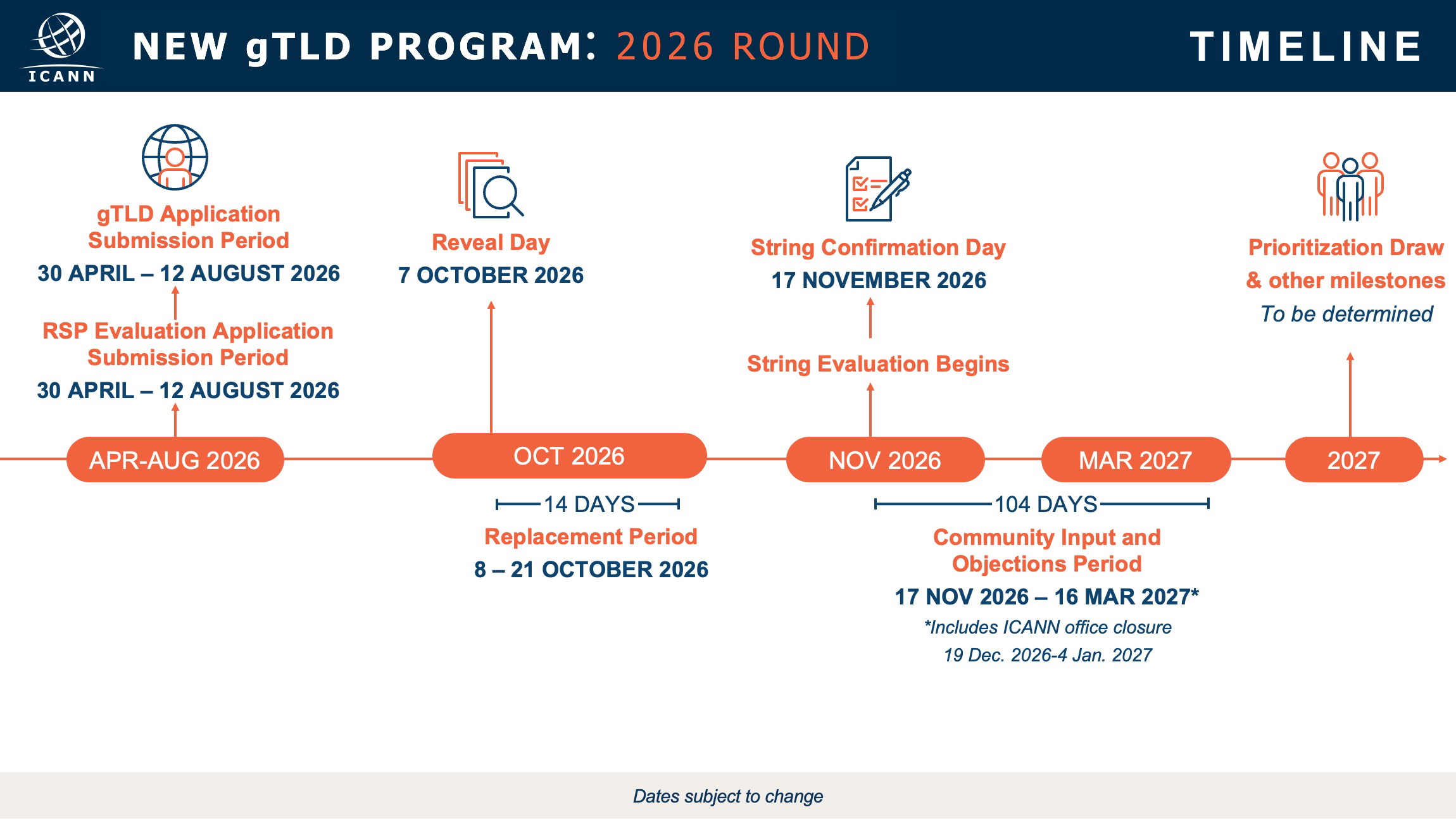 ICANN Names Three Independent Objectors to Review 2026 New gTLD Applications
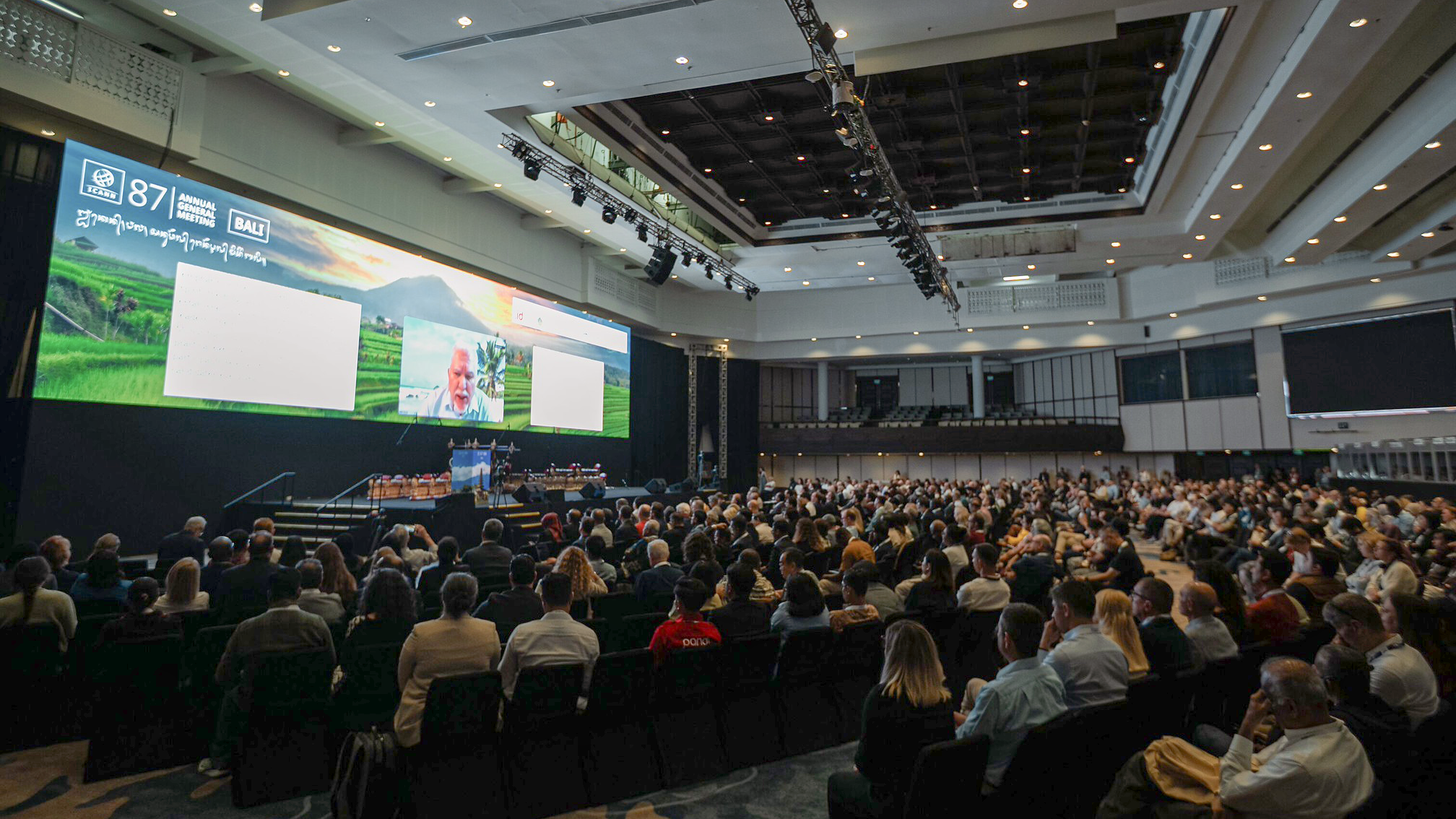 ICANN87 in Bali Puts DNS Abuse and New gTLD Implementation in Focus
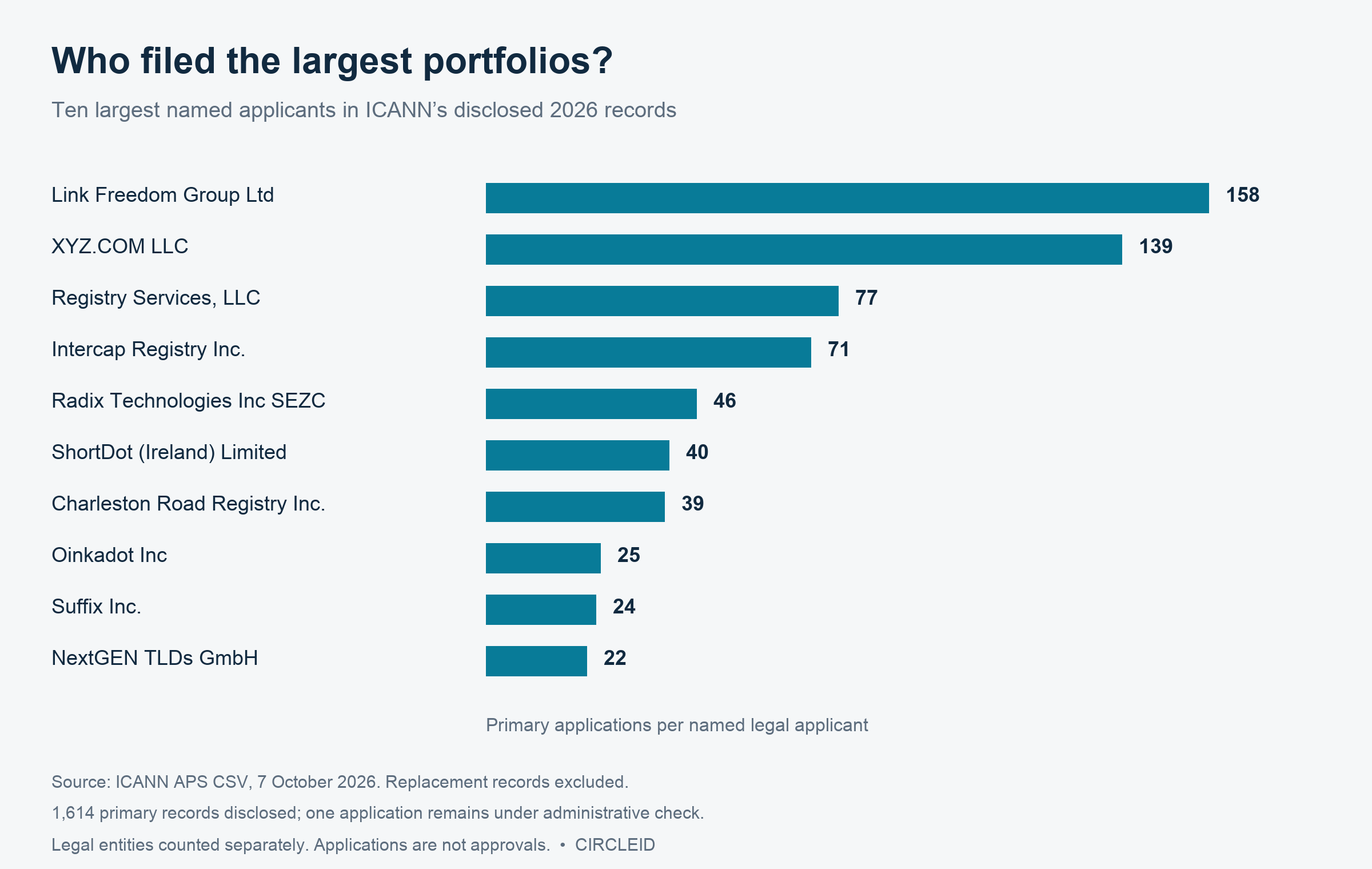 OpenAI, Meta and Registry Operators Seek New gTLDs as .agent Draws 13 Applications
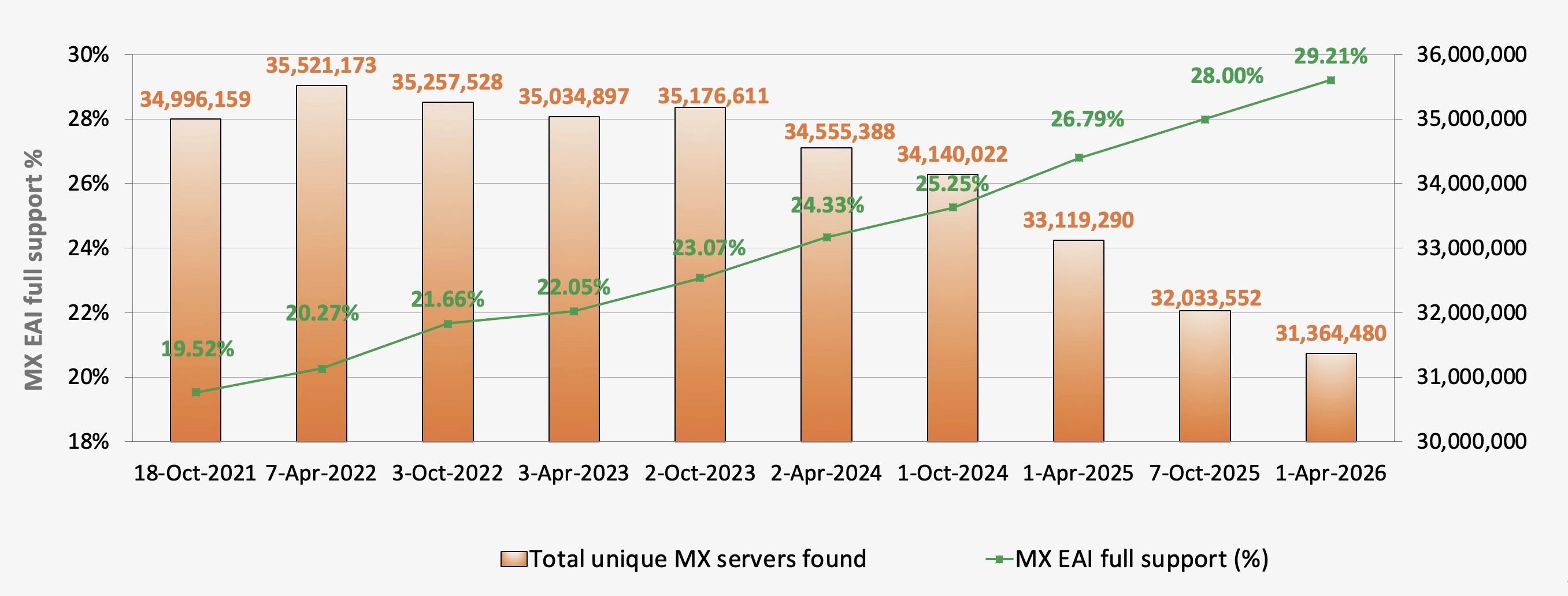 ICANN Sets Guidelines to Advance Universal Acceptance of Internationalized Domains and Email
A World-Renowned Source for Internet Developments. Serving Since 2002.