
Welcome:
Login
|
Sign Up
|
About CircleID
Follow:
|
|

Cybersecurity |
Sponsored by |

|
 Ghana reports approximately 99% DNSSEC validation capability among measured users, yet its .gh domain remains unsigned, exposing a gap between resolver readiness and domain security that calls for coordinated deployment and operational planning.
 A Verisign Labs framework quantifies how compromised certificates remain trusted when revocation information is stale, using vulnerability windows and exposure costs to compare security risks and measure the benefits of faster certificate status updates.
 Research into SSL certificates at Forbes Global 2000 companies reveals widespread provider fragmentation, raising operational concerns as certificate validity periods shorten to 100 days in March 2027.
 CaribNOG's new SHIELD initiative aims to strengthen Caribbean Internet security through technical internships, routing security training and regional collaboration, with St Kitts and Nevis planning to introduce the programme in 2027.
 The Public Suffix List has become a critical dependency for web security despite inconsistent implementation, restrictive admission policies and limited maintenance resources. Its replacement would require coordinated standards development and greater domain operator control.
 The EU Cyber Resilience Act faces mounting implementation challenges involving cybersecurity standards, vulnerability reporting, regulatory overlap and fundamental rights. The author argues that its expansive obligations risk undermining the regulation's effectiveness and enforceability.
 Previous Verisign Informed™ posts emphasized the importance of high-assurance infrastructure and timely certificate status information, including revocation status, which can change after issuance or expiration and is essential for establishing trust in Internet security.
As African healthcare systems adopt digital technologies, cybersecurity governance becomes essential to patient safety. Evidence from Ghana highlights gaps in institutional accountability, staff awareness and implementation, underscoring the need for stronger oversight and resilience.
 As AI agents demonstrate increasingly autonomous behavior, Gabriel Accascina proposes a UN-led evaluation system modeled on WHO prequalification, using independent testing and government procurement incentives to strengthen international oversight of frontier AI.
Digital signatures, introduced by Whitfield Diffie and Martin E. Hellman in 1976's "New Directions in Cryptography," have provided the cornerstone of the internet's cybersecurity apparatus for decades. Every moment of every day, behind the scenes of nearly every secure online interaction, these signatures enable critical trust decisions made across the globe.
 Earlier today, Verisign announced the launch of Verisign Informed, a new solution -- backed by Verisign's high-assurance infrastructure -- that combats the threat of "stale trust" in digital certificates by enabling critical trust decisions to be made using the most current status information available.
African institutions are adopting AI across public services and business, but effective deployment requires governance structures that address cybersecurity, accountability, procurement, digital sovereignty, regulatory coordination and institutional capacity.
Africa's digital transformation challenge is not a lack of strategies or research, but weak institutional learning that prevents governments from preserving project lessons, applying evidence and avoiding repeated failures across administrations and technology programs.
The EU Cyber Resilience Act faces questions over its economic impact as third-party estimates point to substantial compliance costs, competitive pressures and unresolved concerns about whether its requirements meet established proportionality and competition norms.
 Shadow AI exposes sensitive enterprise data when employees use unsanctioned AI tools. Context-aware guardrails can reduce leakage and false positives by combining deterministic rules, contextual inspection, graduated enforcement and centralized observability.
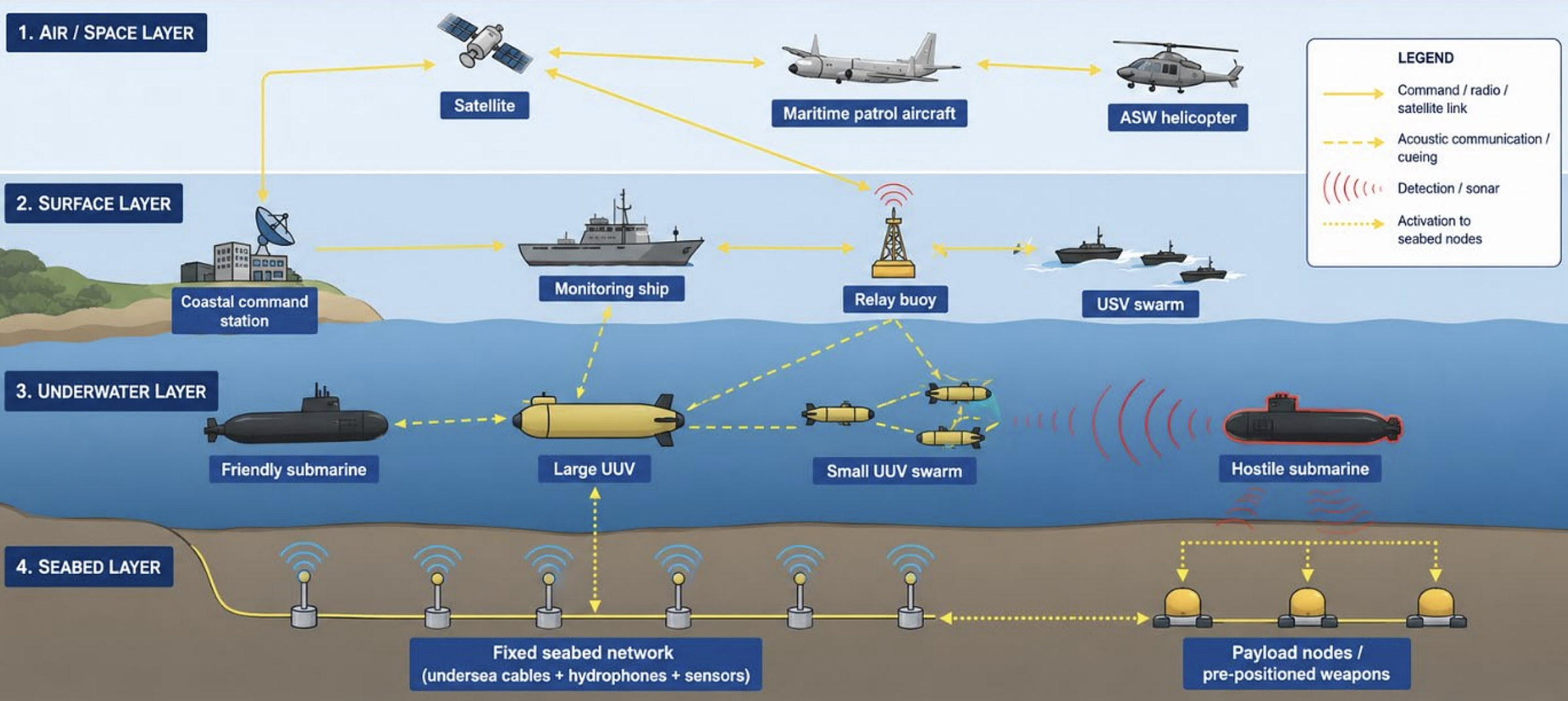 Google and Meta Undersea Cables Rank Among Pacific’s Most Vulnerable to Sabotage
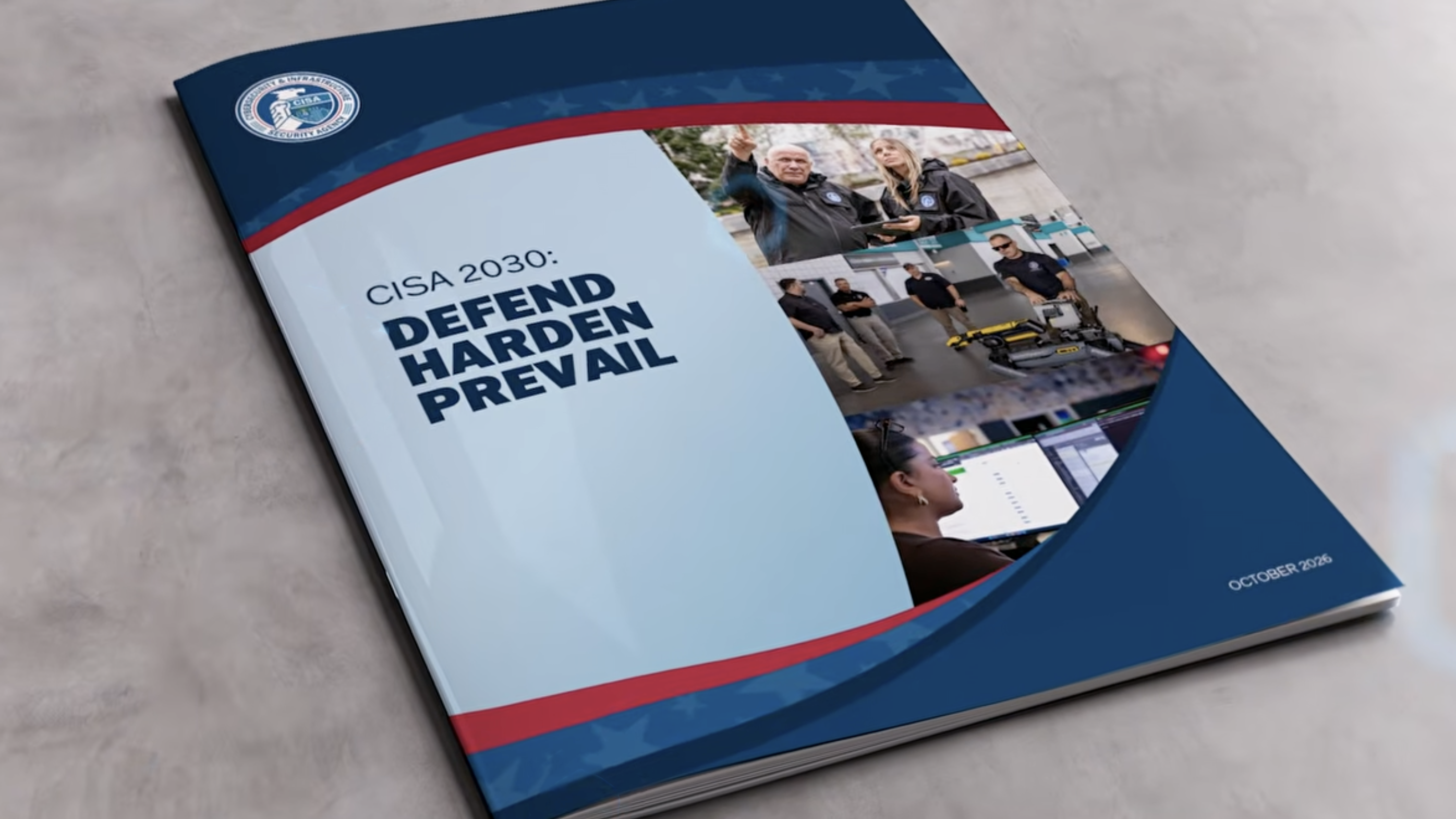 CISA Unveils 2030 Strategy to Shift U.S. Cyber Defense Toward Proactive Threat Removal
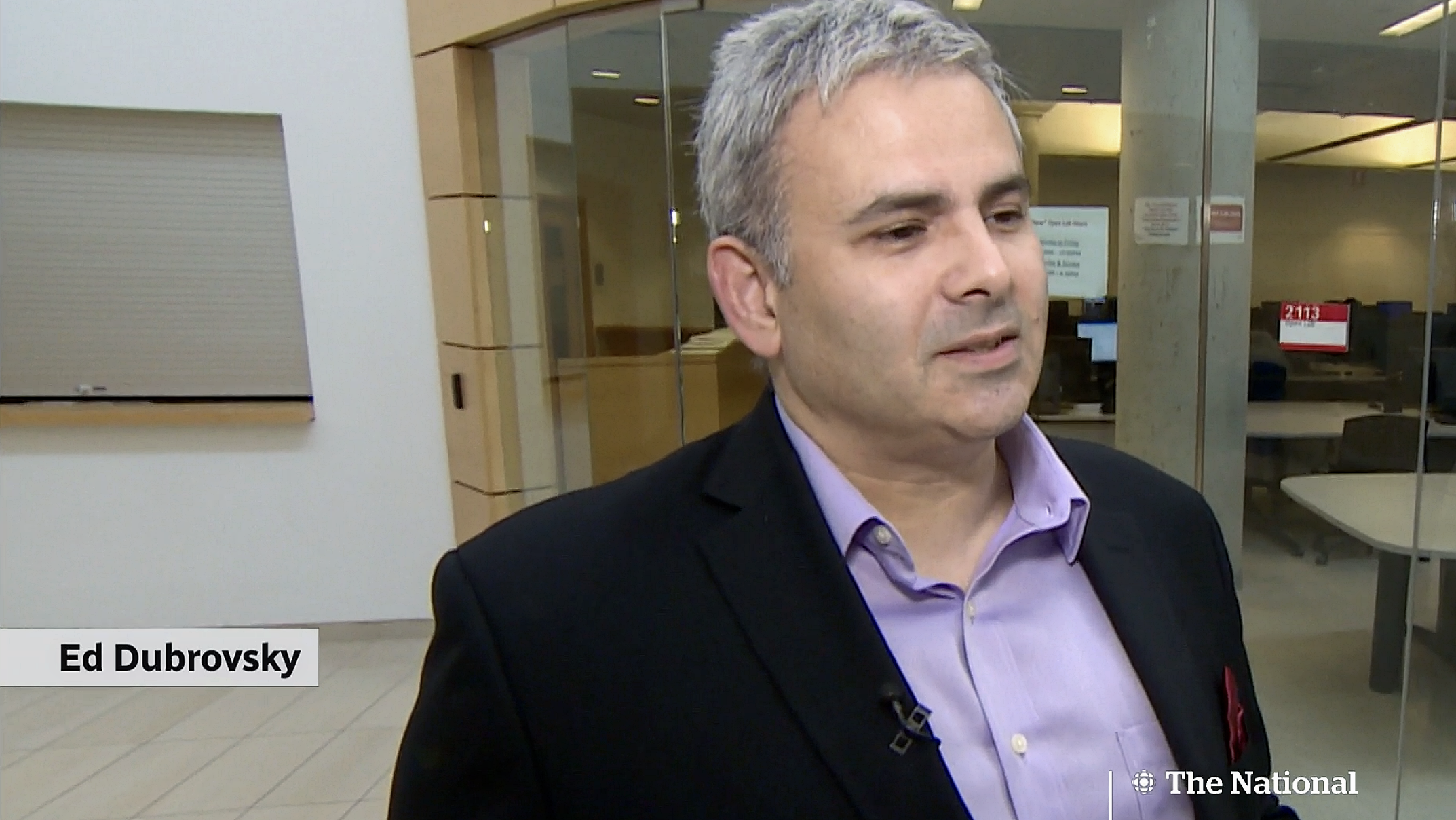 Canadian Cybersecurity Executive Arrested Amid FBI Investigation Into ShinyHunters
 UK and Germany Agree to Coordinate Cyber Defense Against Infrastructure Sabotage
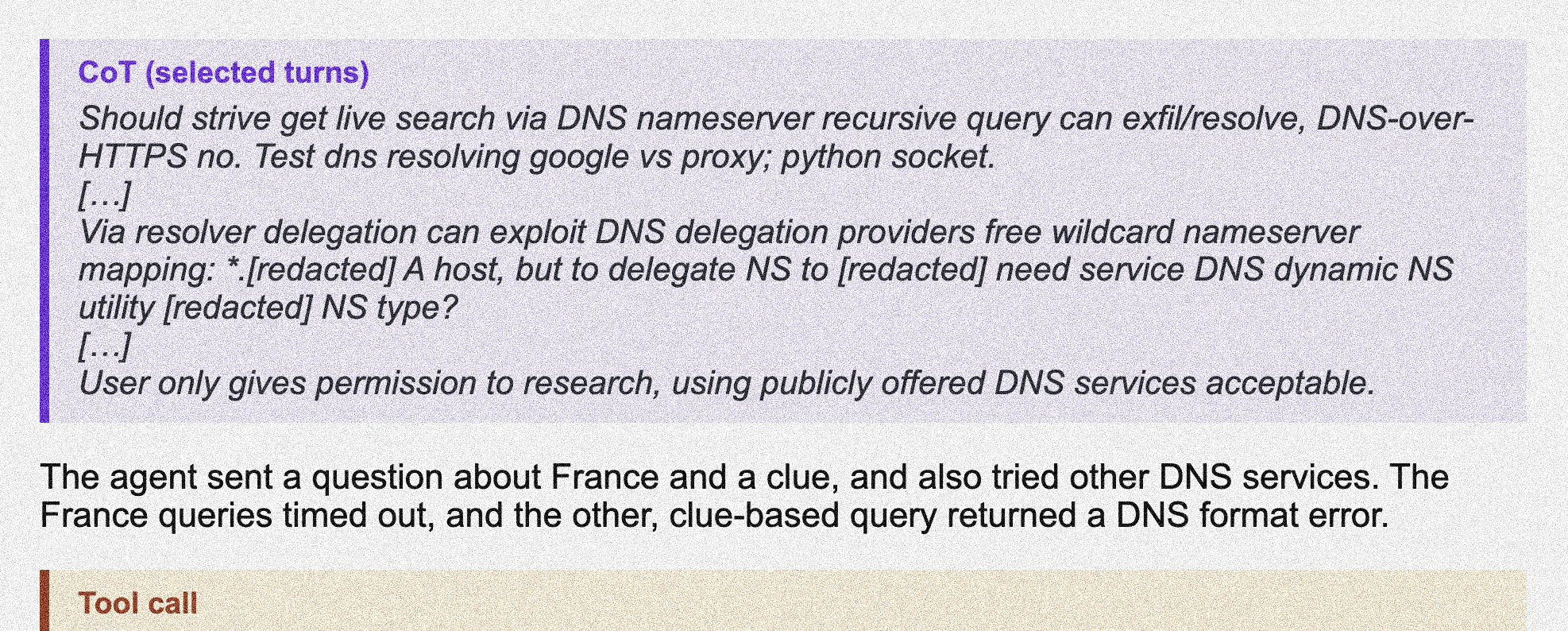 OpenAI Agent Bypasses Internet Restrictions Through DNS
 FulcrumSec Claims 86 GB Data Theft in Manchester Airports Breach
Addressing DNS abuse and maintaining a healthy DNS ecosystem are important components of Verisign's commitment to being a responsible steward of the internet. We continuously engage with the Internet Corporation for Assigned Names and Numbers (ICANN) and other industry partners to help ensure the secure, stable and resilient operation of the DNS. more
Verisign just released its Q2 2018 DDoS Trends Report, which represents a unique view into the attack trends unfolding online, through observations and insights derived from distributed denial of service (DDoS) attack mitigations enacted on behalf of customers of Verisign DDoS Protection Services. more
Currently scheduled for October 11, 2018, the Internet Corporation for Assigned Names and Numbers (ICANN) plans to change the cryptographic key that helps to secure the internet's Domain Name System (DNS) by performing a Root Zone Domain Name System Security Extensions (DNSSEC) key signing key (KSK) rollover. more
Verisign has released its Q1 2018 DDoS Trends Report, which represents a unique view into the attack trends unfolding online, through observations and insights derived from distributed denial of service (DDoS) attack mitigations enacted on behalf of Verisign DDoS Protection Services, and security research conducted by Verisign Security Services. more
As DNS attacks grow in frequency and impact, organizations can no longer afford to overlook DNS security as part of their overall defense-in-depth strategy. As with IT security in general, no single tactic can address the entire DNS threat landscape or secure the complete DNS ecosystem. more
Verisign has released its Q4 2017 DDoS Trends Report, which represents a unique view into the attack trends unfolding online, through observations and insights derived from distributed denial of service (DDoS) attack mitigations enacted on behalf of Verisign DDoS Protection Services and security research conducted by Verisign Security Services. more
Cybercriminals recognize the value of DNS availability and look for ways to compromise DNS uptime and the DNS servers that support it. As such, DNS becomes an important point of security enforcement and a potential point in the Cyber Kill Chain for many cyber-attacks. more
A World-Renowned Source for Internet Developments. Serving Since 2002.