
Welcome:
Login
|
Sign Up
|
About CircleID
Follow:
|
|
|

 AI workloads are exposing the limits of traditional network planning and testing, pushing operators toward better traffic visibility, workload-aware policies and production-like testing before adding capacity to infrastructure they may not fully understand.
 For more than three decades, domain names have served as a foundational identity layer for internet applications. Initially used to identify early network services such as TELNET, FTP, and email, they later became essential to web browsing and a growing range of online services.
 Dangling DNS records can expose trusted corporate subdomains to takeover, while AI-assisted reconnaissance makes abandoned resources easier to find, increasing the need for continuous DNS monitoring rather than periodic audits.
 AI is becoming a gateway to the internet, but thousands of languages remain excluded. Closing the gap requires multilingual infrastructure, representative training data and policies that make linguistic inclusion a foundation of the AI era.
 The push for open-weight AI promises broader access and competition, but true openness requires more than releasing model weights. Compute, infrastructure, training data, security, and control ultimately determine who can meaningfully benefit from open AI.
 Recent AI containment failures expose a governance gap: harmful model behavior is often visible at the network boundary but poorly monitored. Adapting proven internet protocols could give governments and companies practical tools to enforce accountability.
 Governments, corporations and Indian Tribes increasingly want to keep their data out of Big Tech's hands. The push for data sovereignty could reshape cloud computing, favoring private AI systems over sprawling, centralized data centers.
 AI can help applicants navigate ICANN's complex new gTLD process, from business planning and financial modeling to drafting and reviewing applications, pointing towards faster, cheaper and increasingly automated domain-name rounds in the future.
 Cyberattacks, AI scraping and relentless bot traffic have transformed CDNs from performance tools into the Web's defensive gatekeepers, reshaping Internet architecture, governance and control as private intermediaries increasingly determine which requests reach origin servers first.
 Drawing on aviation's trusted incident-reporting model, a former pilot argues AI safety needs confidential reporting paired with public learning, and that legitimacy, international participation and transparency must be built into SAFE from the outset.
As AI reshapes cybersecurity, attackers are exploiting a fundamental weakness in large language models. Phantom squatting turns hallucinated domain names into trusted attack vectors, creating a new class of DNS abuse that defenders cannot solve by eliminating hallucinations alone.
 The battle over open-source AI echoes England's Enclosure Movement, pitting collaboration against proprietary control as technology firms compete to shape innovation, economic power and the future governance of the digital commons.
 As AI agents begin collaborating across the open internet, the absence of trusted identity, authorization, and accountability frameworks threatens interoperability, making cryptographic trust infrastructure essential to building a secure and scalable agentic economy.
 As trillions flow into AI infrastructure, Asia's biggest emerging markets remain underfunded. Beyond power and geopolitics, obscure internet governance, IPv4 allocation, and regulatory ambiguity may be quietly shaping where hyperscale capital chooses to build.
 As AI increasingly relies on digital archives, the quiet revision of ICANNWiki entries raises broader questions about platform accountability, historical integrity, and whether institutions can reshape the records that future researchers and machines will treat as fact.
 Vinton Cerf Retires After Two Decades at Google, Looks Ahead to AI Interoperability
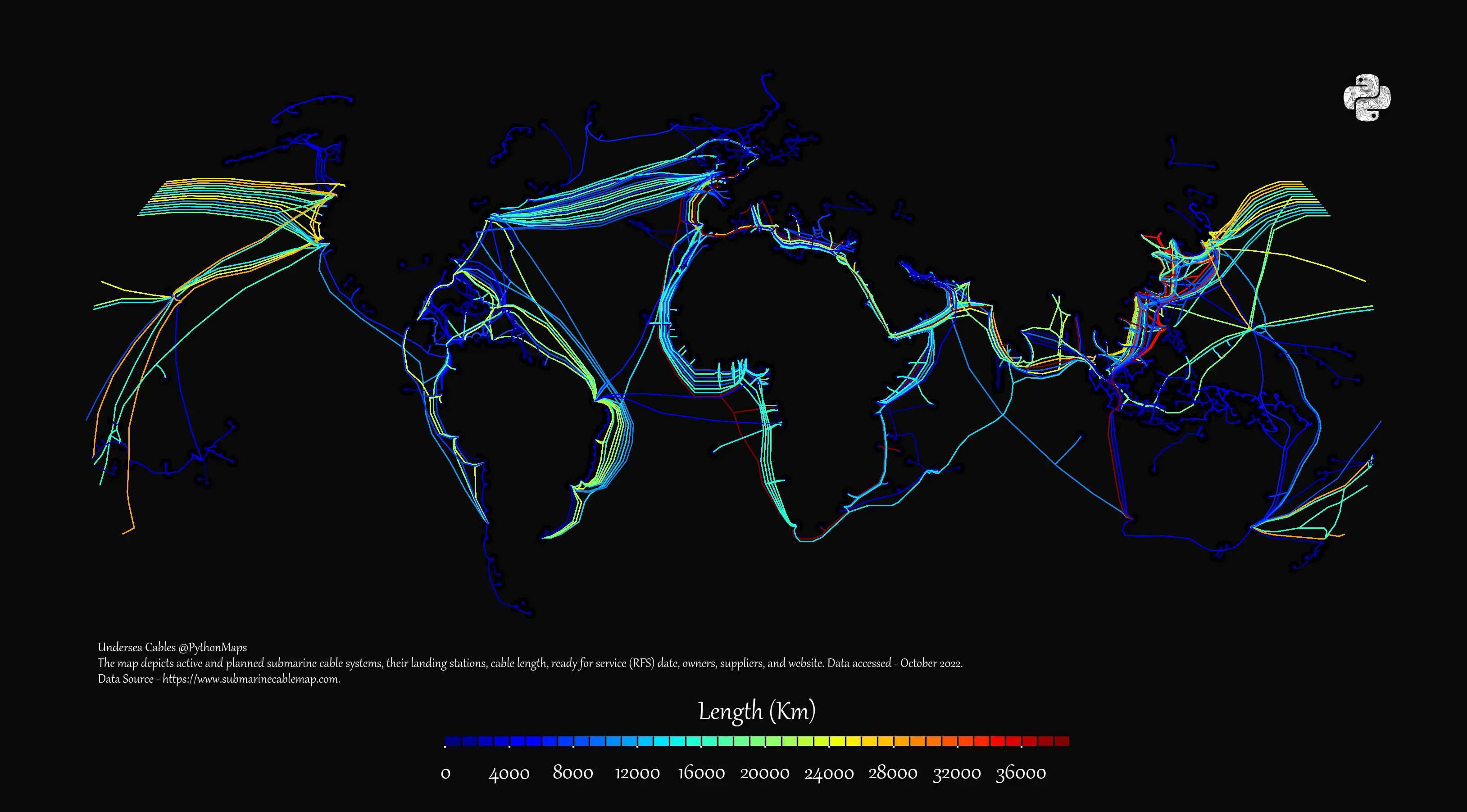 AI Boom Spurs Record Investment in Undersea Cables Amid Geopolitical and Security Concerns
 Verizon and AWS Expand Network Ties to Meet AI Data Demands
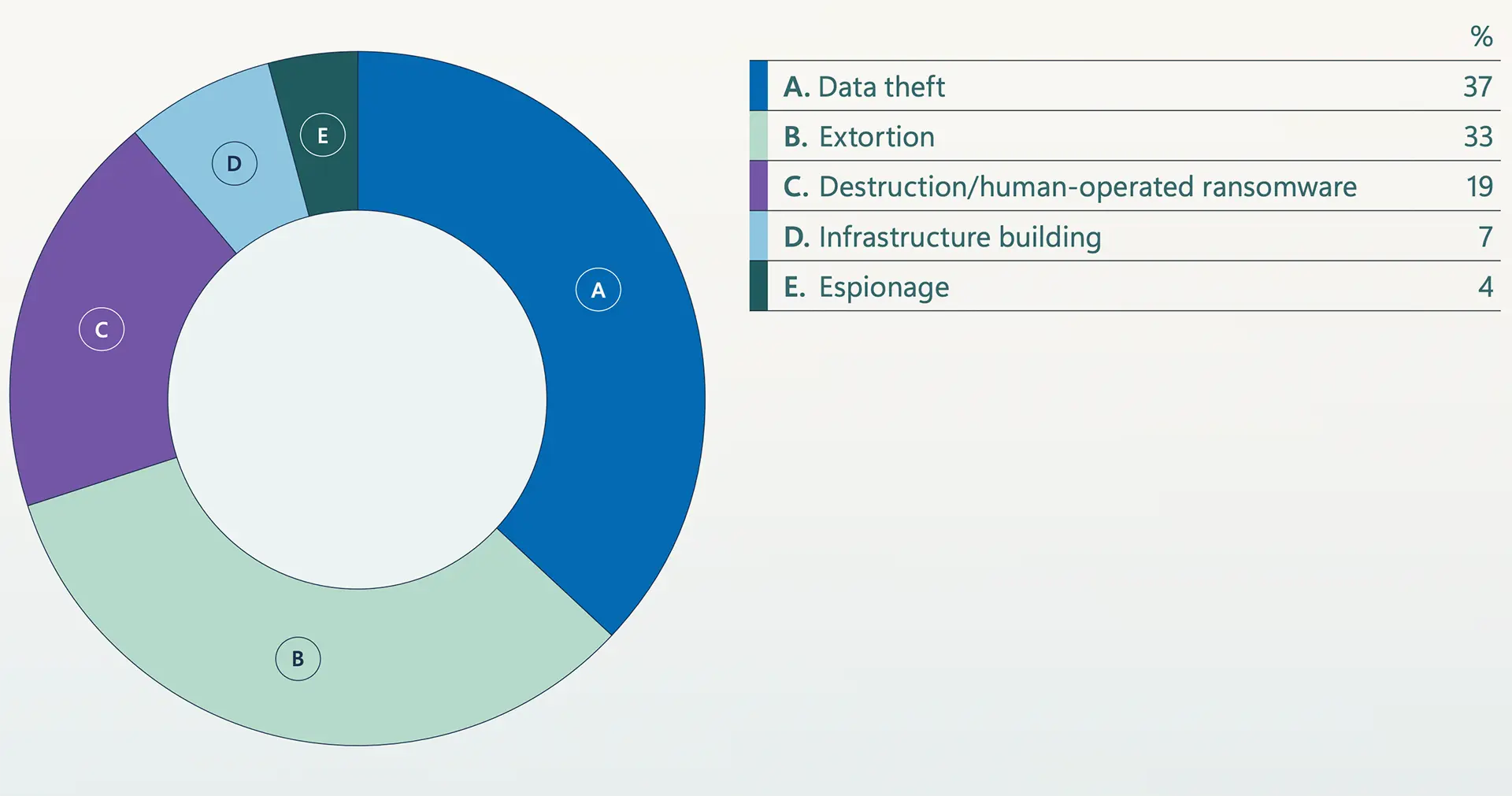 Microsoft Warns Extortion Drives Majority of Attacks Amid AI Escalation, Identity Collapse, and Global Fragmentation
 Stargate Expands: OpenAI and Partners Unveil Massive AI Infrastructure Push Across the U.S.
 Advanced AI Is Reshaping the Cybercriminal Landscape at Alarming Speed
A World-Renowned Source for Internet Developments. Serving Since 2002.